 01
Water Heater Replacement
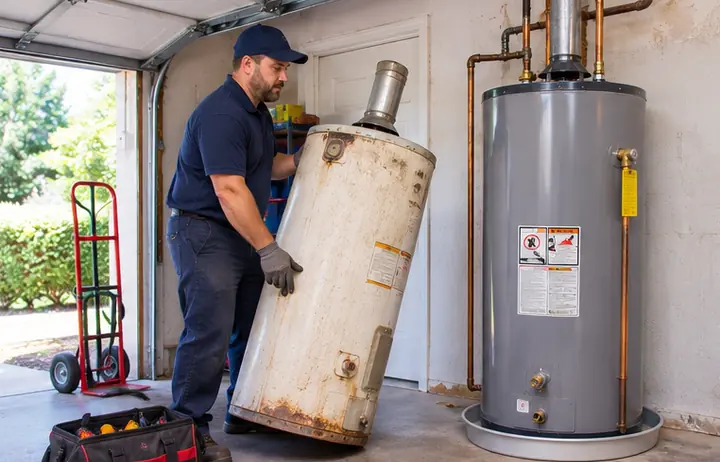
Replacing a Smithville tank may be justified by vessel corrosion confirmed through examination, but hot-water discoloration alone also warrants a water-source and hot-piping review.
Learn About This Service →
A Smithville home with orange-looking hot water may need help identifying whether the heater is involved. Water Heater Repair Pros helps identify the fault before discussing repair or replacement. We can help you understand what repair may be needed.
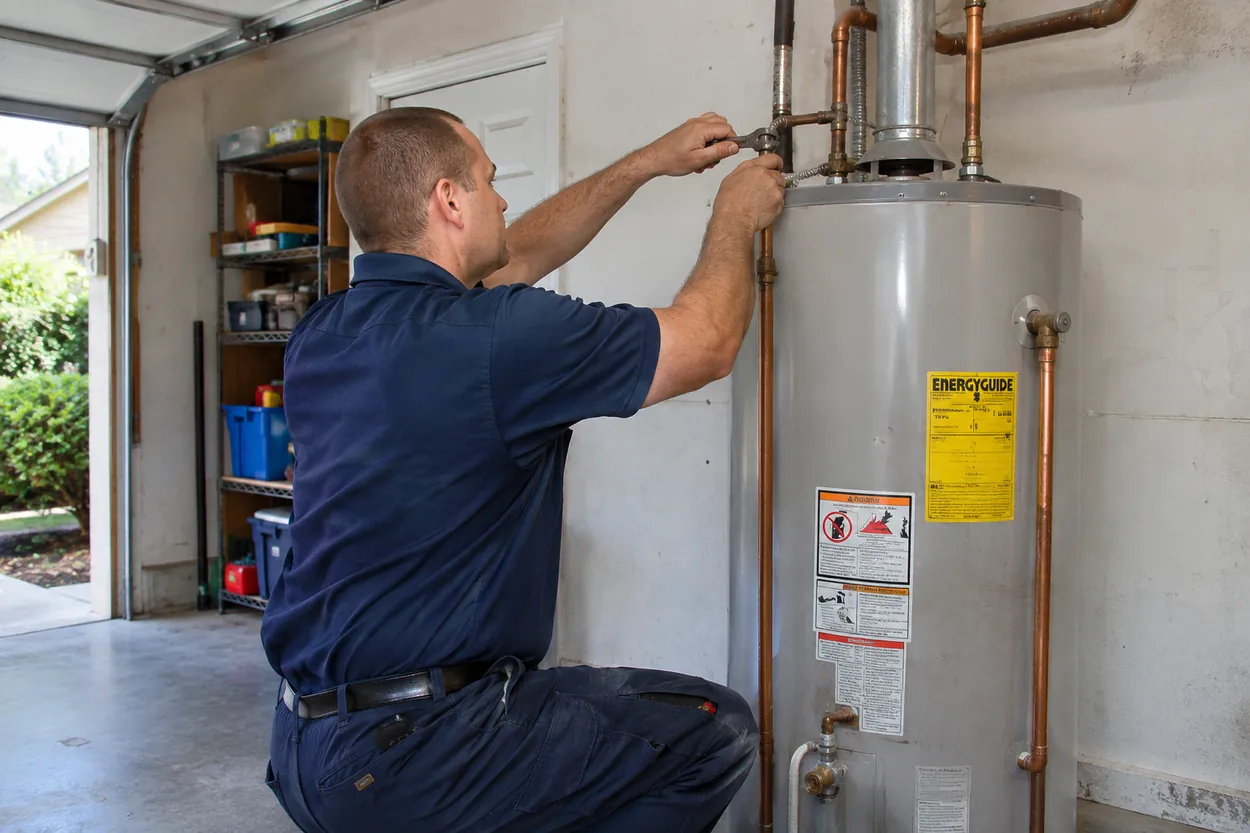
A Smithville resident noticing rust-colored hot water can narrow the question by collecting observations from several fixtures. If the cold water has the same color, investigation may extend toward the source. If only the first hot draw is affected, piping and stored water need closer review.
The postal ZIP 31787 associated with Smithville reaches from Lee County into Sumter County. That postal area neither selects the water provider nor proves the tank is corroding. A complete address and evidence about inlet water will help distinguish municipal, private-supply and appliance issues.
Water that looks metallic may be reported alongside leaks, slow recovery or noisy heating. These are separate clues: a stain at a connector is not proof of a ruptured vessel, and a tank sound does not reveal water quality. The examples show which facts to record safely.
In a Smithville home, a yellow-brown first draw from the hot tap might reflect deposits accumulated in an unused hot branch. Samples from multiple taps, and a cold-side comparison, help determine whether the heater is implicated.
A rusty stain below a heater can come from an external connection rather than a corroded steel vessel. Look for the highest safe visible point of moisture; touching a pressurized fitting or opening a drain can be dangerous.
A popping sound while a tank heats may accompany sediment buildup, but a water hammer after a faucet closes points toward a piping issue. Time the sound and ask for diagnosis based on the event, not sound alone.
A bathroom that runs out of hot water quickly might have storage depletion or a faulty heating stage independent of water color. Check recovery time and recent usage before deciding the heater is fundamentally undersized.
A gas-fired Smithville heater with inconsistent temperature needs safe attention to ignition and venting; discoloration alone is not a reason to adjust gas components or dismantle combustion equipment.
An electric element exposed to heavy scale can heat inefficiently, but this cannot be confirmed without safe testing. Tripping protection or wet wiring means the unit should not be operated until inspected.
A tankless unit can show reduced flow when an inlet strainer is clogged, while hot-only color points to a different water-path question. Record any controller code and water conditions for the service provider.
A caller who can describe where the color appears gives the technician a better starting point than simply asking to flush a tank. Mention recent plumbing changes and whether the cold water is affected, then leave hazardous component handling to professionals.
Call About Water Heater RepairReplacement can be justified if the pressure vessel truly fails, but a new tank cannot automatically remove minerals or discoloration arriving from the source. The statewide service guides describe each equipment route, while the Smithville diagnosis must establish where the color appears.
01Replacing a Smithville tank may be justified by vessel corrosion confirmed through examination, but hot-water discoloration alone also warrants a water-source and hot-piping review.
Learn About This Service →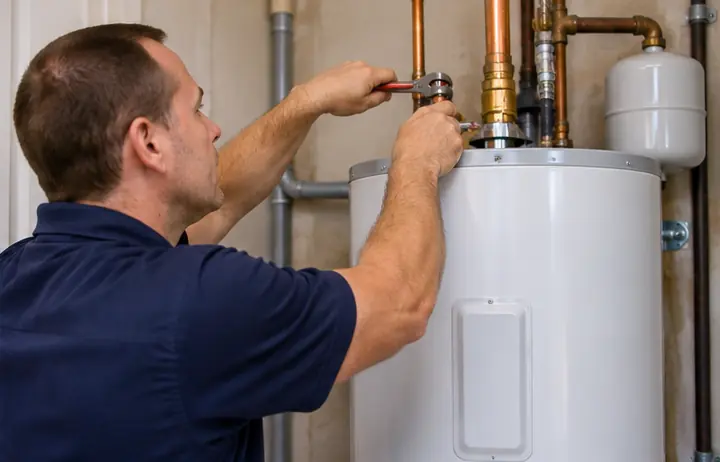 02
New equipment should be selected for household demand, available power or gas and safe connections. The 31787 ZIP crosses county lines, so inspection and permit requirements follow the worksite.
Learn About This Service →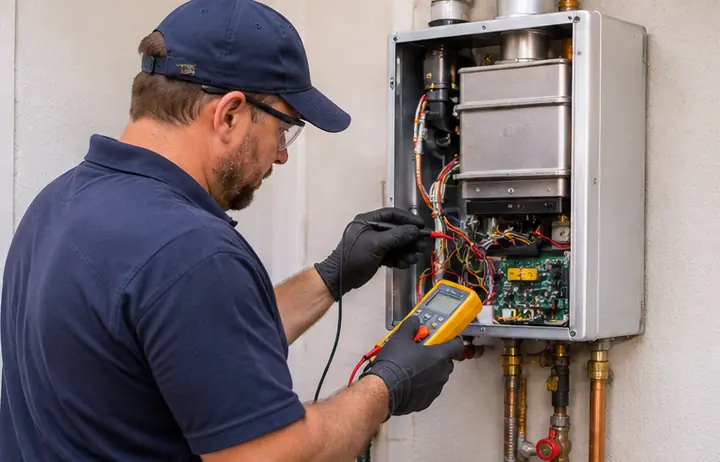 03
Tankless repair for changing flow or temperature should consider inlet quality, filter condition and manufacturer diagnostics without assuming the unit itself caused colored water.
Learn About This Service →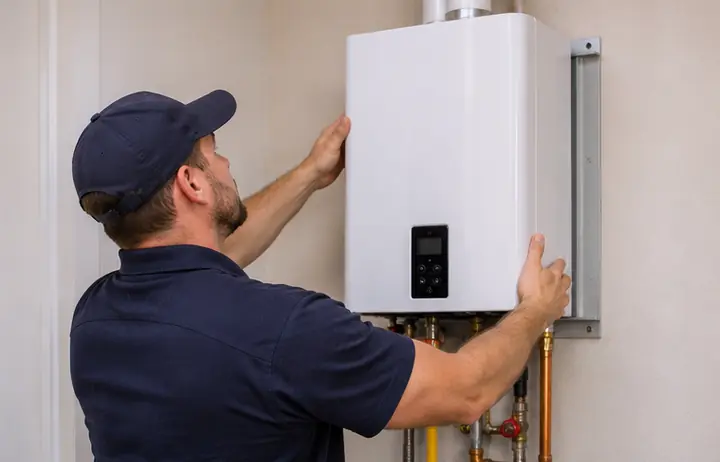 04
A tankless installation proposal should evaluate source-water treatment questions, peak flow and power capacity before claiming an upgrade will resolve a color complaint.
Learn About This Service →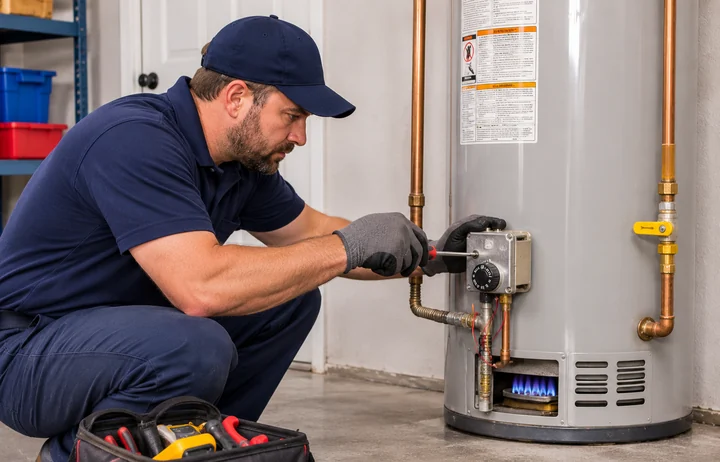 05
Gas heater repairs require competent diagnosis of controls, fuel and vent paths. Water discoloration does not eliminate combustion-safety responsibilities on the property.
Learn About This Service →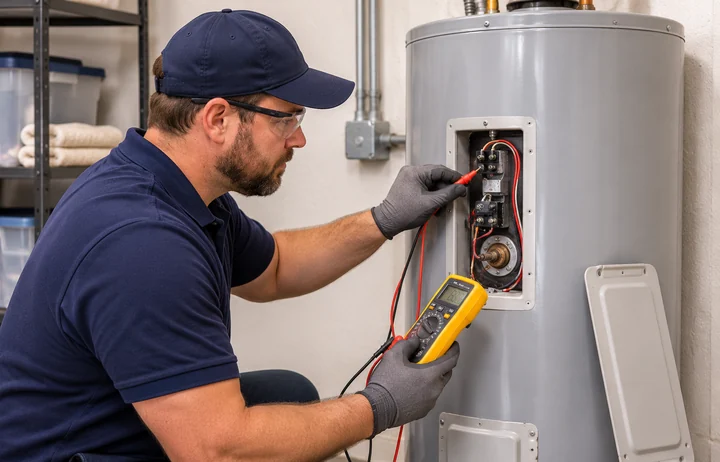 06
Electric tank repairs depend on safe verification of heating elements, thermostats and isolation. Deposits may complicate repair but should not justify touching live components.
Learn About This Service →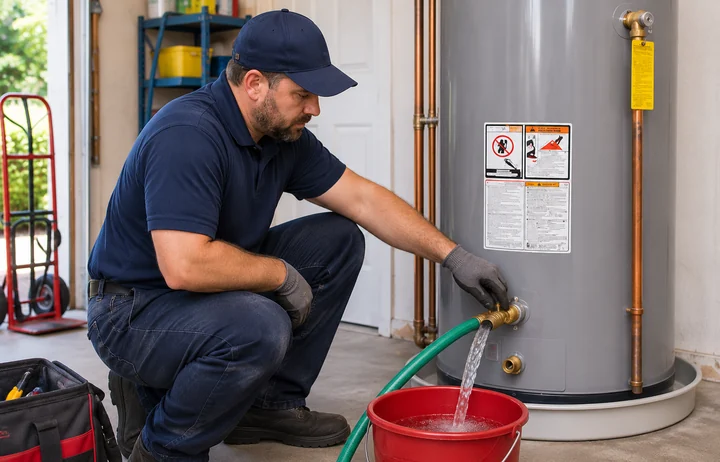 07
Maintenance may include manufacturer-permitted flushing or anode review where a tank’s condition allows. Source-water quality and vessel wear should be assessed before any aggressive procedure.
Learn About This Service →Stored water and on-demand water spend different amounts of time inside an appliance. Gas equipment raises combustion and exhaust requirements; electric heating involves isolated circuit tests. Water color alone cannot establish which of these systems needs replacing.
Storage tanks hold water long enough for deposits to settle, making first-draw appearance and hot-versus-cold comparisons useful clues.
On-demand heaters have smaller internal water volumes but still depend on inlet water quality, strainers and suitable flow.
Gas tanks require vent and ignition inspection alongside any water-path concern; visible discoloration does not determine gas safety.
Electric tanks heat through isolated stages; mineral deposits and electrical faults are separate findings that should be documented.
A corroded external union, worn sacrificial component or clogged hot branch might be serviceable. Severe internal vessel damage is a different matter. The point is to document where the affected water originates before approving work that could leave the symptom unchanged.
An aging anode, accessible union or valve may sometimes be serviceable if the vessel is intact and water-quality testing supports the diagnosis.
A visibly failing tank shell or confirmed internal corrosion can justify replacement; a source-water issue will still require attention even after a new tank is fitted.
Testing water appearance at hot and cold outlets and tracing leaks can cost differently from installing an entire tank. Smithville ZIP 31787 spans county boundaries, so the street address also determines access and any applicable worksite authority.
Comparing cold and hot samples can require investigation outside the heater, which should be separately explained in any Smithville estimate.
Addresses in either Lee or Sumter County can share ZIP 31787; permissions and travel planning need the exact property location.
Replacing a tank may involve draining, removing the old vessel and checking expansion and relief arrangements, not simply buying a new appliance.
Water treatment, branch-line repairs and core heater replacement are different scopes; a written proposal should not blend them without cause.
Ask for a Smithville estimate that states whether the plan includes a water-source investigation, pipe work, safe maintenance or a confirmed vessel replacement. The responsible county, worksite access and unresolved source issues should be disclosed separately.
Before calling, identify the first fixture to change color and whether the symptom persists after water runs. Give the actual Smithville address, source-water arrangement if known, and heater make. Do not open a pressurized drain as a test.
Provide the Smithville street address and note whether the property is in Lee or Sumter County, if known.
Write down the water’s color from hot and cold fixtures before and after a brief draw, without opening the heater.
Ask for an explanation of whether the proposed fix targets inlet water, plumbing, the storage vessel or the heating components.
For colored-water concerns, an observation record is more useful than a guess about the tank’s age. If a relief pipe is actively discharging or electrical parts are wet, stop unsafe use and obtain qualified assistance before proceeding.
Call (833) 423-3192The most valuable provider is one who does not confuse water-source quality, piping deposits and damaged tank steel. Ask for a clear description of sampling observations, any tests proposed, and the reasoning behind repair versus replacement.
Our licensed plumbing professionals perform water heater service within the scope of their qualifications. A competent evaluation begins with controlled hot-versus-cold observations so a heater is not blamed for water from the source.
Our service professionals are insured for their work. The worksite county and water provider should be checked rather than inferred from the name Smithville or ZIP 31787.
Age, condition and documented leaks should inform tank replacement more than the color of a single first glass.
Flushing a badly deteriorated tank can carry hazards; manufacturer guidance and vessel condition must come first.
Our team has completed real water heater service jobs in Georgia. Gas and electrical equipment require qualified tradespeople and safe isolation even if the complaint initially sounds like a water-quality issue.
Our team serves Smithville and other Georgia communities; availability depends on the physical service address. Clear repair recommendations separate investigation, parts, labor and unresolved source-water questions.
Contact Water Heater Repair Pros about a water heater service request in Smithville, GA with your exact property address. ZIP 31787 is one local postal reference, not proof of service availability. Nearby service-area links include Leesburg and Americus; choose the community that matches the actual worksite.
No. The Smithville ZIP area also reaches Sumter County. Verify county and water source by street address.
Deposits or corrosion in hot piping or a storage tank are possible; sample multiple fixtures and have the heater evaluated safely.
No. The source, outlet piping, tank and fittings need diagnosis before replacement is recommended.
No. Manufacturer guidance, the tank’s condition and the actual cause determine whether flushing is useful or unsafe.
That raises the possibility of source-water or shared piping issues and may require contacting the water provider or a qualified water professional.
No. Water odor and gas combustion concerns should be assessed separately; any suspected fuel-gas odor requires urgent safety measures.
Exact address, cold/hot sample differences, appliance model, water source and any observed leak or safety issue.
For Smithville water-heater questions, contact (833) 423-3192 with the address and a description of whether orange or metallic water comes from hot taps alone. Include the source-water type and any leakage; avoid dangerous pressure or electrical tests.