 01
Water Heater Replacement
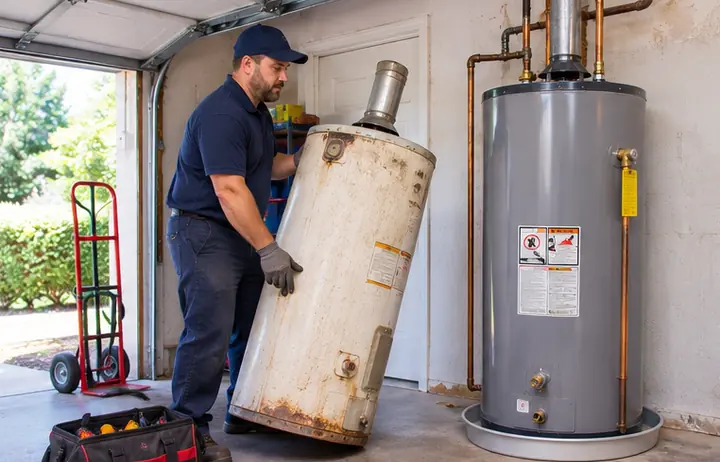
Replacement is appropriate for a leaking shell or other unsafe vessel failure, not merely because winter inlet water makes the same tank feel smaller.
Learn About This Service →
A Rising Fawn heater that behaves differently after cold weather or a period without use may need attention. Water Heater Repair Pros checks water heater faults before recommending suitable repairs. The right repair depends on the equipment and what is failing.
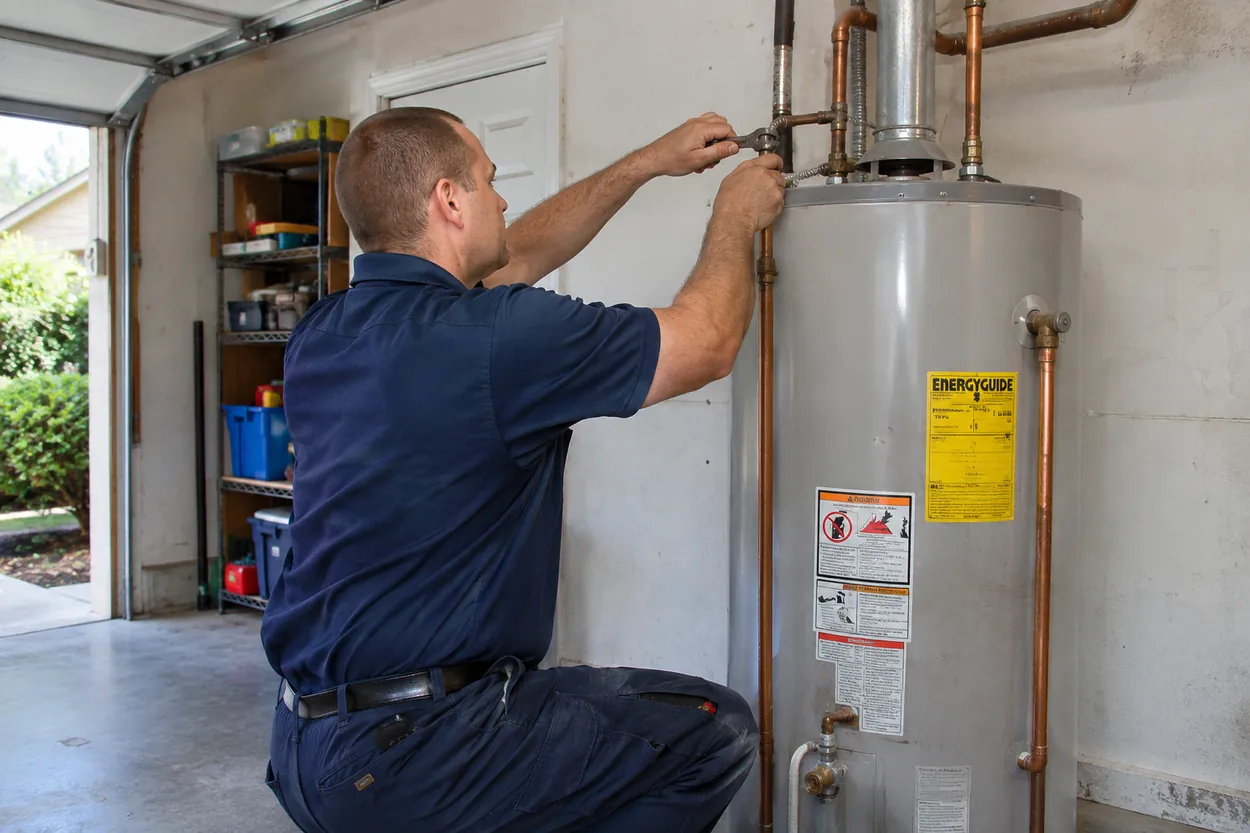
A water heater in Rising Fawn can behave differently after a seasonal shutoff or abrupt temperature drop. The useful comparison is between normal use, the first use after the building reopens and the tank or tankless model’s recovery specifications. Equipment failure should be verified, not inferred from the weather alone.
Rising Fawn is not a city-run utility district; Dade County identifies it as an unincorporated community. ZIP 30738 also reaches some properties in Walker County. Ask who operates the incoming supply and what, if anything, was drained or isolated before the most recent cold period.
Warm water may return more slowly in cold weather because the inlet starts cooler. That does not rule out genuine element, ignition, leak or frozen-line trouble. The seven categories below explain why recording the shutdown and weather history is often more helpful than repeated restarts.
After a cold night, a storage tank may deliver fewer comfortable minutes because it receives colder replacement water. If no hot water returns after an appropriate recovery interval, the unit may still have a control, ignition or element failure requiring diagnosis.
A heater that leaks only after an extended vacancy may have damage at a fitting, supply line or tank seam. Identify whether the first wet area is above the vessel or from its bottom. Do not energize an electric unit when water is in its electrical compartment.
Rumbling after an unused period may reflect mineral deposits, while clicking in pipework can accompany temperature expansion. Compare noises during heating with sounds when the main valve first reopens; a single noise description is not a fault diagnosis.
Briefly warm water followed by cold can stem from high draw relative to tank size, a mixing problem, or heat-loss along a long run. If only a distant faucet is affected, fixture and pipe routing may matter more than replacing the storage tank.
For a propane appliance, establish whether the fuel tank or regulator supplies adequate pressure before assuming the gas valve is bad. Propane work and combustion-vent checks belong to appropriately qualified technicians; never test suspected leaks with a flame.
In an electric heater, a protective cutout may open after overheating, or an element may fail without an obvious external sign. A long-unused heater must never be powered when its tank is not full; dry firing can damage components.
Tankless equipment can show performance changes when inlet water is colder or a fixture has reduced flow. Manufacturer error codes, required minimum flow and venting conditions should be checked before guessing at descaling or replacement.
If the first use after a winter shutdown produces no hot water, give the last occupancy date and note whether cold taps flow. A qualified professional should determine whether the issue is a supply line, control or damaged heater.
Call About Water Heater RepairThese statewide guides cover choices that can arise after a freeze, lengthy vacancy or unexpectedly high hot-water demand. A repair for a burst connector is not the same as renewing a damaged vessel, and neither should be ordered before checking whether the heater was refilled safely.
01Replacement is appropriate for a leaking shell or other unsafe vessel failure, not merely because winter inlet water makes the same tank feel smaller.
Learn About This Service →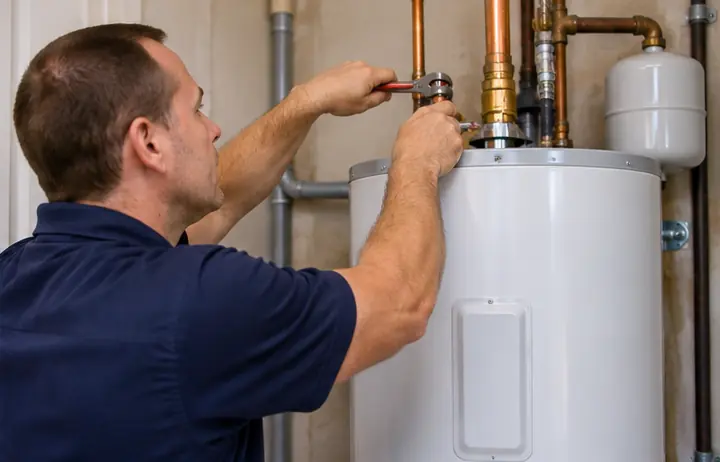 02
Plan installation around winter access, actual fuel supply, appropriate freeze protection and drainage requirements stated by the manufacturer.
Learn About This Service →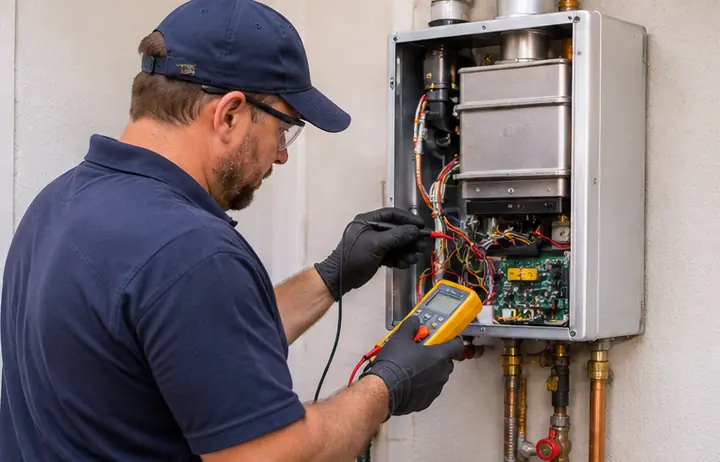 03
Check flow and error-code history on tankless units following freeze events, and distinguish appliance faults from damaged supply piping.
Learn About This Service →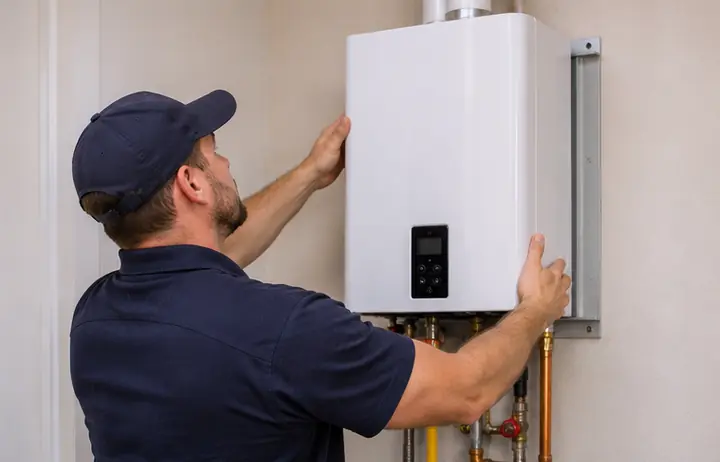 04
Evaluate temperature rise at cold-weather inlet conditions and verify available gas or electrical capacity before choosing a new tankless model.
Learn About This Service →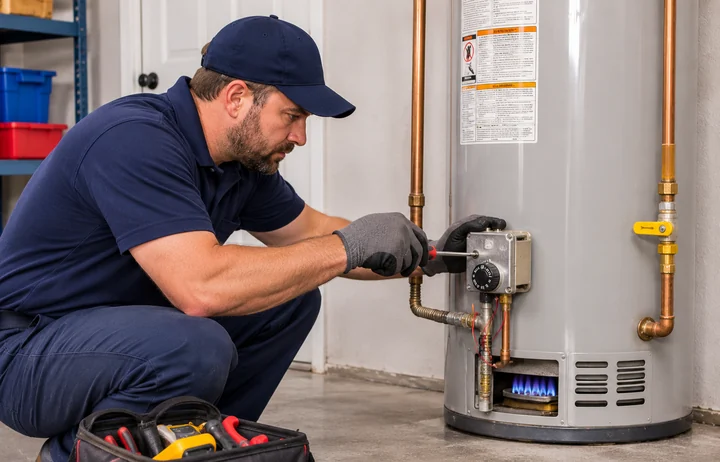 05
Fuel pressure, ignition and exhaust paths require professional attention; a propane outage must be separated from a malfunctioning burner.
Learn About This Service →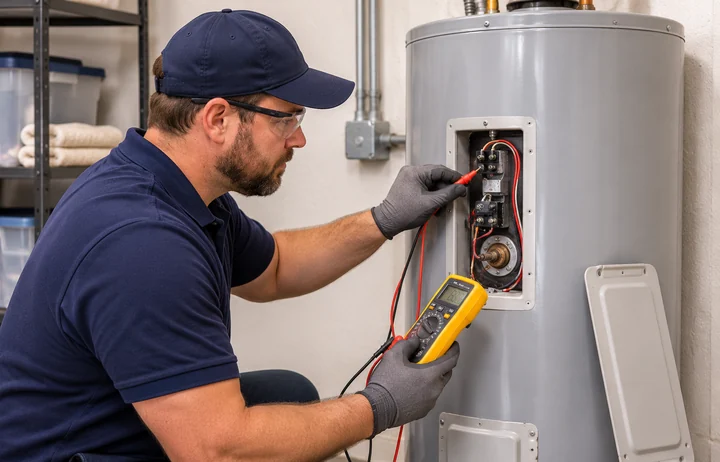 06
An electric heater left without water after shutdown must be checked before it is energized; elements can be damaged by dry operation.
Learn About This Service → 07
Seasonal inspections may cover anode condition, relief protection and appropriate flushing, but freezing damage to a supply pipe needs separate repair.
Learn About This Service →Stored and instantaneous heaters respond differently to cold supply temperatures. A propane unit also requires fuel and vent verification, while an electric element must never be powered in an empty tank. Read the nameplate and seasonal restart guidance before comparing repair options.
Stored hot water is consumed then reheated; unusually cold incoming supply can lengthen the perceived recovery time without indicating a defect.
An on-demand model must raise lower inlet temperatures to the target at its rated flow; high demand can exceed capacity.
Fuel source matters: propane and natural gas have different delivery arrangements, but both require proper combustion and venting safeguards.
Electric tanks need full water coverage before energizing elements, especially after winterization or prolonged shutoff.
The extent of freeze exposure is central to the Rising Fawn repair-versus-replace decision. An accessible connection may be restored while an internally cracked vessel may not be economical or safe to reuse. A qualified assessment should confirm both water and energy supplies before restarting.
A frozen or disconnected supply issue may be correctable without replacing the heater. If a tested control or fitting has failed while the vessel remains sound, assess a focused repair.
A fractured tank or unsafe freeze damage can warrant replacement. New capacity should reflect cold-weather temperature rise and peak use rather than a guess based on the old label.
A winter repair request may involve a heater and one or more supply lines, so a fixed price based only on postal area is misleading. Ask whether investigation, safe thawing, damaged fittings, appliance parts or replacement equipment are separate elements of the proposed work.
Inspection may require distinguishing a stopped water supply, freeze-related damage and a heating fault. A winter issue can involve both plumbing and the appliance.
Fittings, regulators, elements and burner controls have different costs. Document the failed component instead of estimating by symptom alone.
A propane storage model, an electric tank and a condensing tankless unit require very different tools and manufacturer checks.
A crawl-space line, vacant property or remote shutoff can change access time. Discuss road access and authority to isolate the water safely.
Request a breakdown that distinguishes building piping from the appliance, since a frozen valve or broken connector can be a separate repair. Travel access and safe restart checks should be discussed before any replacement is approved.
When contacting a provider about a Rising Fawn property, say whether the house was occupied, if water was drained and whether temperatures fell below freezing before the failure. Include directions and the actual energy source, especially if propane is involved.
Provide the 30738 physical worksite, access instructions and whether the property has been occupied or winterized recently. The postal label alone does not confirm coverage.
Describe the weather timing, supply shutoff, heater fuel and whether other taps have normal cold flow. Report any propane odor or fault code without trying to restart unsafe equipment.
Confirm technician access and scope before travel. Ask whether the needed plumbing, gas or electrical work is covered by the provider’s qualifications.
Seasonal access may mean gates, shutoff valves or service panels are unavailable without an owner. Arrange permission and describe any freeze damage before a booking is offered; this location guide does not confirm a visit.
Call (833) 423-3192Choose someone who understands the risks of energizing an unfilled tank and can distinguish lower incoming water temperature from mechanical failure. Gas or propane concerns require different qualifications from electrical or basic supply-line repairs.
Our licensed plumbing professionals perform water heater service within the scope of their qualifications. Look for diagnostics that distinguish cold inlet water and high draw from a genuine failure in the heater.
Our service professionals are insured for their work. Verify gas, propane, electrical or plumbing qualifications according to the installed appliance and the work proposed.
A capable technician records freeze exposure and safe restart conditions instead of replacing parts without testing.
Access and authorization are essential at seasonal cabins, rentals and buildings with remote water shutoffs.
Our team has completed real water heater service jobs in Georgia. A service plan should account for appropriate freeze protection where the manufacturer requires it, without promising a universal fix.
Our team serves Rising Fawn and other Georgia communities; availability depends on the physical service address. Use the physical location and exact fuel type to establish availability; the Rising Fawn postal boundary extends outside the core community.
A Rising Fawn mailing address does not always tell the full story of where water heater work is needed. The ZIP list here includes 30738; nearby location pages include Lookout Mountain and LaFayette. Tell our team the actual street address and heater type so service options can be reviewed.
Lower incoming water temperature can make a tank feel smaller and increase tankless heat demand. Testing should compare capacity and actual performance.
Yes. Restricted or absent cold supply affects the hot side too. Locate the flow interruption and avoid unsafe thawing methods.
Do not energize until it is confirmed full and safe according to the manufacturer. Dry-firing an element can cause damage.
No assumption should be made. Identify whether the unit uses electricity, natural gas or propane from the equipment and installed supply.
Fuel availability, regulator condition and the approved ignition system require qualified checks. If you smell gas, leave the area and seek appropriate emergency assistance.
Call with the complete physical address and water heater issue. Our team checks availability for that location because a postal ZIP does not establish the exact service boundary.
Share the worksite, heater model, fuel, when the property was last occupied and whether a supply pipe or tank was frozen or drained.
Need water heater repair in Rising Fawn, GA? Call (833) 423-3192 and explain whether a cold spell or period of vacancy preceded the loss of hot water. Never energize an empty electric tank or use flame to thaw a line; confirm safe access and availability for ZIP 30738.